Many eulogies have been written for the “bond vigilantes” that had been as soon as mentioned to prowl international markets for spendthrift international locations to bully into fiscal rectitude. However the vigilantes appear to have saddled up once more.
The time period was initially coined by former EF Hutton economist Edward Yardeni within the early Eighties to explain how bond sell-offs could force the hand of central banks or governments. The idea was later immortalised by James Carville, an aide to President Invoice Clinton who in 1994 ruefully wished he could possibly be reincarnated because the bond market so he may “intimidate all people”.
For the previous twenty years there was little signal of the vigilantes. Inflation remained quiescent globally, and a determined starvation for returns eroded the self-discipline of many bond buyers. For the reason that monetary disaster, central banks have smothered fixed-income markets with a succession of huge quantitative easing programmes that neutered any would-be vigilantes.

However 2021 has seen a disconcertingly swift and highly effective bond market rout. The ten-year US Treasury yield — arguably a very powerful rate of interest on the planet because it influences costs in nearly each different nook of monetary markets — jumped from below 1 per cent initially of the 12 months to over 1.6 per cent amid tumultuous trading.
Because the pandemic begins to wane, many governments around the globe have promised to “act big” to spur restoration and restore the financial scarring of the previous 12 months. However some analysts now consider the bond vigilantes are using once more — and will undermine the financial restoration and on unsettle booming financial markets.
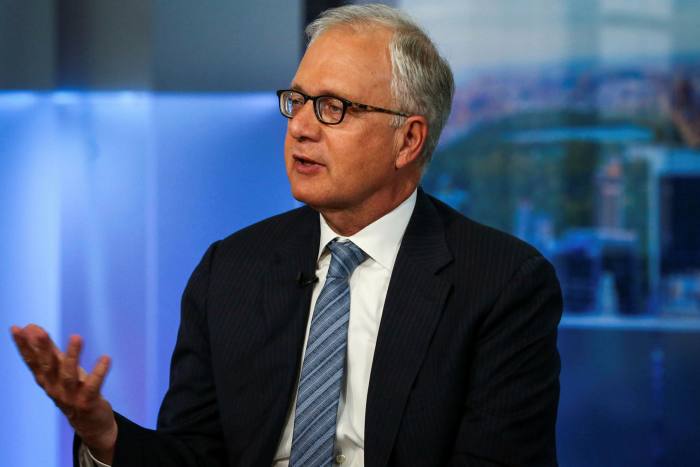
“We’re in a courageous new world of excesses in fiscal and financial coverage, and that’s the place the bond vigilantes thrive,” Yardeni says. “It’s their job to deliver regulation and order again to the financial system when the central banks and the fiscal authorities are lawless. And that’s arguably what we’re seeing right here.”

The central purpose for the global bond sell-off is a optimistic one: though the financial scars from the Covid-19 pandemic stay vital, the mix of ample monetary stimulus and pent-up demand being unleashed by the rollout of vaccines signifies that analysts are dashing to ratchet up their progress forecasts for 2021. Many now count on the largest financial growth in generations.
Nonetheless, some concern that this might lastly reignite long-dormant inflationary pressures. Inflation is the nemesis of bonds, as a result of it erodes the actual worth of the mounted rates of interest that they pay. Central banks have vowed to remain their hand so long as unemployment stays elevated, however the deepening bond dive reveals that markets are starting to be sceptical of that promise.

For now, most analysts and buyers stress that even when inflation is prone to speed up in 2021, it’s prone to show a fleeting phenomenon, and never one thing that can pose a critical, longer-term problem to mounted revenue markets. Whereas the latest rise in yields has been notable for its velocity and energy, bond yields stay astonishingly low by historic requirements, and a few buyers now reckon they’ve moved too far, too quick and are prone to stabilise quickly.
Nonetheless, others fear that with buyers so accustomed to low bond yields, even a modest rise may upset the dominant gasoline of the “everything rally” across markets. Inventory markets have already began trembling on the latest uptick, and bond market sell-offs have a nasty approach of showing sudden faultlines.
“We will definitely get an overshoot. The query is whether or not the market construction is now susceptible sufficient that you simply’re going to have that echoed and exacerbated in methods we’ve not seen beforehand,” says Joyce Chang, chair of worldwide analysis at JPMorgan.
The post-Covid financial system
Virtually precisely a 12 months in the past this weekend, Italy abruptly quarantined 10 towns to restrict the outbreak of a novel coronavirus originating in China. The transfer hammered dwelling {that a} pandemic was a critical, international menace, and turned simmering nervousness right into a full-blown monetary market meltdown by March.
Extremely rated authorities bonds are the funding world’s panic room, a secure area the place everybody from sovereign wealth funds and insurance coverage corporations to cash managers and particular person savers instinctively head to when occasions are powerful. That causes their costs to rise, and pushes down their efficient rate of interest, or yield.

When Covid-19 rattled markets, the bond yields of nations from the US to Finland, Germany to Australia, France to the UK, plunged to contemporary lows that in some instances made even previous data appear dowdy. However since final summer time, sovereign bond yields have been creeping steadily up.
The primary massive impetus got here from the emergence of a number of extremely efficient vaccines final November, which meant buyers may lastly begin to ponder what a post-Covid international financial system would possibly appear to be in 2021. Then Democrats received management of the US Senate in January, making potential one other massive stimulus bundle that may swell the deficit however hopefully guarantee a robust financial upswing that balms a number of the scars left by the pandemic.

JPMorgan Asset Administration estimates that the mixed central financial institution and authorities stimulus measures already totalled $20tn final 12 months, or greater than a fifth of worldwide financial output. Now some economists fret that the extra $1.9tn spending bundle being readied by President Joe Biden’s administration could overheat the US financial system.
Pimco, a bond funding group, expects that this extra Covid-19 reduction bundle will enhance the US price range deficit to a document $3.5tn in 2021, and elevate the annual progress price to over 7 per cent. That could be a tempo that has solely been hit in three quarters because the Nineteen Fifties — all of them within the inflationary Nineteen Seventies and Eighties, Pimco notes.
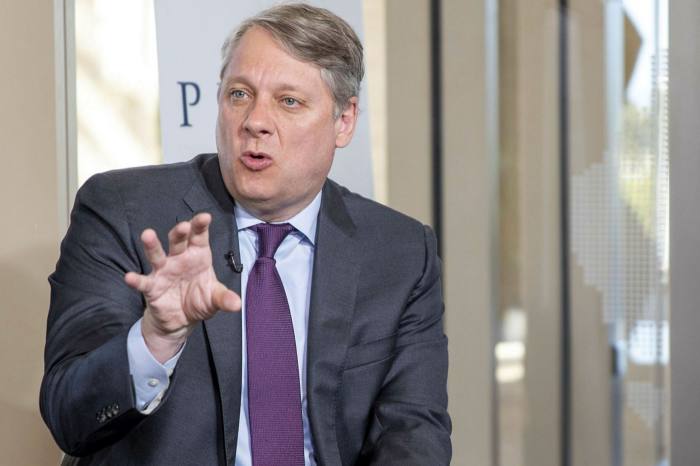
Dan Ivascyn, Pimco’s chief funding officer, is sceptical that inflation will take off, however stresses that the financial surroundings is exclusive. “There’s a variety of stimulus at a time when the financial system is beginning to present some power. And that understandably makes bond markets nervous,” he says.

Dan Fuss, vice-chair at US asset supervisor Loomis Sayles, has seen many financial cycles by way of his six-decade profession as a bond investor, and he’s fearful that historical past reveals that the dimensions of the stimulus will inevitably reignite inflation. “I can virtually hear Milton Friedman shouting ‘look out right here it comes’,” he says. “Can it work out in another way? In fact. Is that the best way to wager? No, it’s not.”
Notably, the first drivers of the bond market sell-off have subtly shifted in latest weeks. Whereas the rise in yields since November was primarily powered by rising inflation expectations, the most recent strikes have largely come from buyers beginning to worth in central banks tightening financial coverage extra rapidly than they’ve beforehand indicated.
That’s notably harmful for different monetary markets, as sub-zero “actual”, inflation-adjusted yields have been the dominant purpose why buyers have felt comfy paying extra for a spread of different monetary securities than they’ve up to now. “You’ve constructed these mini pockets of speculative extra that arguably could possibly be topic to extra profit-taking if this continues,” says Liz Ann Sonders, chief funding strategist at Charles Schwab.

Underscoring this tense relationship, fairness markets have not too long ago seesawed nervously on days when yields have climbed greater, despite the fact that the basic purpose is rising financial optimism. Greater than $800bn has been sliced off valuations of the companies that make up the Nasdaq Composite over the previous two weeks.
Though most actual yields stay adverse throughout most main authorities bond markets, Matt King, a Citi strategist, notes that the edge for rising actual yields to set off sell-offs throughout markets appears to be falling. “The extra dovish central banks are, the more cash they pump into the system, the extra dependent markets develop into on that cash to keep up excessive valuations,” says King.
Reacting to turbulence
Nonetheless, most buyers and analysts are sceptical {that a} new period of inflation is dawning given the dimensions of the financial devastation left within the wake of the pandemic, and longer-term deflationary forces like ageing demographics, international provide chains and technological innovation.
Seth Carpenter, chief US economist at UBS, additionally envisages solely a shortlived inflation burst. Spending on companies will surge as lockdowns finish, but spending on items will most likely fall as individuals select to go to eating places and do much less procuring on-line. Moreover, a lot of the extra stimulus money coming into households will go to repaying overdue money owed, Carpenter says.

Central bankers have this week been at pains to emphasize that they won’t tighten coverage to stem an anticipated inflation spike this 12 months, and that they’re preserving a detailed eye on the bond market reversal. The Reserve Financial institution of Australia has already restarted its quantitative easing programme, and a few analysts count on that others could take motion to make sure that the mounted revenue rout doesn’t deepen additional into one thing extra damaging.
The dramatic shifts this week could precipitate motion sooner relatively than later, argues Scott Minerd, international chief funding officer of Guggenheim Companions. “This volatility is beginning to have an actual influence in monetary markets and given the extreme quantity of leverage within the system . . . we’re operating the chance that we’re going to have monetary instability,” he says. “In the end the Federal Reserve could need to develop into much more aggressive to maintain markets from turning into extra chaotic.”
Nonetheless, the bond vigilantes’ comeback tour could also be a shortlived one. Robert Michele, chief funding officer at JPMorgan Asset Administration, factors out that the Fed continues to be shopping for $120bn of bonds a month. Add within the purchases of different central banks and there’s a international tsunami of cash that can ultimately handle to quell the turbulence, he expects.
“In some unspecified time in the future — and it could be now — there will likely be a capitulation, yields can have gotten too excessive, and the relentless weight of the bond purchases from the central banks will stabilise the market,” he says. “The asset purchases are relentless. You possibly can’t battle that.”